
Human Biology, Engineered
Advanced Human-Derived 3D Models for Better Decisions

Fit-for-Purpose Models
Alvox develops and operates a proprietary platform integrating bioprinted tissues, organoid-based systems, and other advanced human 3D models to generate more biologically relevant preclinical data.
Designed for oncology, immune-enabled, and tissue-context applications in drug discovery and translational research.
A Platform for Engineered Human 3D Models
Alvox is building a modular platform designed to translate complex biology into structured experimental systems.

1
Tailored Design
Biology-led design built around disease context, tissue environment, and study objectives, creating fit-for-purpose models optimized for decision-grade data.

2
Advanced Engineering
Through defined workflows and automated processes, Alvox builds advanced bioprinted models designed for precise control, reproducibility, and scalable experimentation.

3
Deep Characterization
Multiparametric characterization designed to validate model quality and generate actionable biological insight.

Aligned with the Global Shift Toward New Approach Methdologies (NAMs)
Innovation, Health, Humanity.
Drug development is shifting toward human-relevant systems with clear context of use, strong technical characterization, and fit-for-purpose performance. Alvox operates at this intersection, combining 3D biology and engineering into practical, decision-grade preclinical platforms.

Defined context of use (COU)
Demonstrated human biological relevance
Deep technical charecterization
Fit-for-purpose

Scientific, Operational, and Institutional Strength
Alvox was established through a joint venture between Almog Diagnostic and Vivox, bringing together expertise in advanced research services, translational biology, and engineered human model development.
The company is supported by the Israel Innovation Authority, participates in the Organospheres consortium, and is embedded in a strong ecosystem of leading medical centers and academic research collaborators.


Co-founding Management Team

Ziv Heller, MBA
CEO


Liat Pinkas, PhD
CTO

Omer Miller, PhD
COO
Applications
Our application framework combines established operational models with collaborative model development, enabling partners to work either with existing platforms or with systems designed around their specific scientific and program needs.
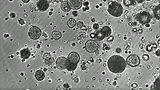
Human- and patient-relevant 3D systems for lung and colorectal cancer, designed to support efficacy, mechanism, and tissue-context studies. These models capture response heterogeneity, enable evaluation of combination strategies, and reflect key microenvironmental effects.
Cancer models
.png)
Dynamic, perfusable 3D platforms that capture lung tissue context under controlled flow conditions, enabling advanced translational evaluation where exposure, function, and safety are critical. Designed to support studies of drug delivery, tissue response, and toxicity within a physiologically relevant environment.
Lung-on-a-chip
Built for Your Question- Alvox develops fit-for-purpose 3D models tailored to each project, translating advanced systems into controlled, reproducible platforms. Designed to address drug response, mechanism, biomarkers, and tissue context, delivering decision-grade data.
Tailored models

Next frontier: Immune competent models
The future of NAMs lies in modeling human immune responses.
Alvox is advancing this with immune-enabled 3D models for defined biological questions.
Alvox’s approach is not to recreate the entire immune system at once.
It is to build tractable immune-enabled models that are mechanistically meaningful, controllable, and development-aligned.
_edited.jpg)
Modeling the biology of inflammatory and autoimmune skin diseases
Building 3D skin models in three stages:
-
Establishing a stable epidermis–dermis baseline,
-
Introducing immune components in a controlled, staged manner
-
Modeling immune–tissue interactions, maintaining reproducibility throughout.
We work with biotech, pharma, and research partners across different modes of engagement, from service-based access to our operational models to the design and implementation of tailored 3D model systems aligned with specific development goals from end to end.